Check Us Out on Google Maps!
Spencer Turner • October 15, 2024
This is a subtitle for your new post
For essential information about our services, visit our Google Maps page.
Google Business is a fantastic resource for verifying our credibility.
Read our 5-star reviews and learn more about us HERE!
Your trust matters to us!
Contact EAS Environmental Today!
EAS Environmental will do everything we can to ensure your experience with us is excellent.
Request A FREE Estimate
Request a Free Estimate Form
Checkout Recent Post
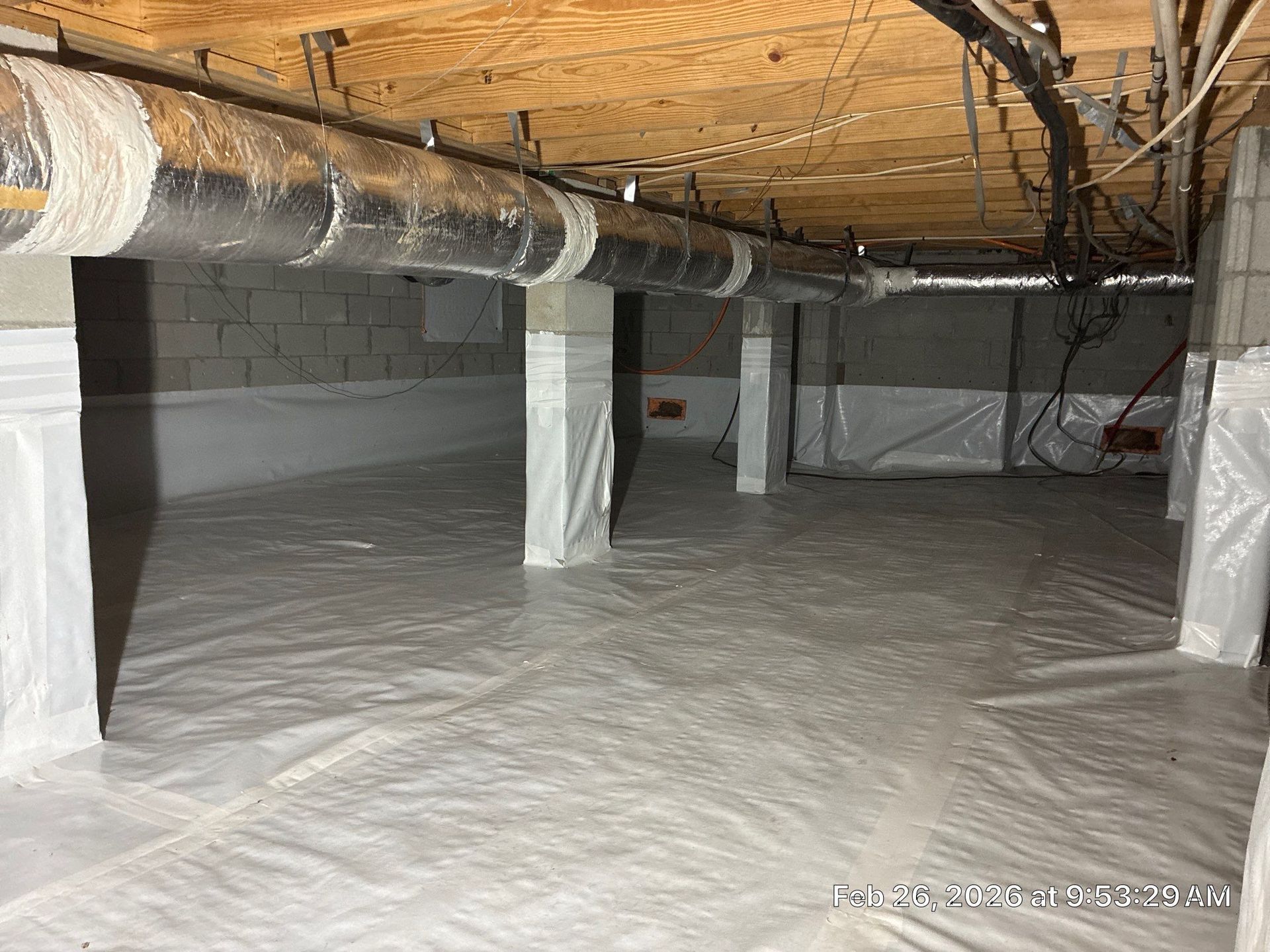
If you've discovered mold in your crawlspace, you may wonder whether it can affect the air quality inside your home. In many cases, YES - it can . Many homes naturally move air from the crawlspace into the living areas through a process commonly referred to as the stack effect . As warm air rises and exits the upper portions of a home, it can draw air upward from the crawlspace. If mold growth or excessive moisture is present beneath the home, mold spores, elevated humidity, and musty odors may enter the living space and contribute to indoor air quality concerns. Signs Your Crawlspace May Have a Moisture or Mold Problem While these signs do not necessarily confirm the presence of mold, they may indicate excess moisture or conditions that support microbial growth: Persistent musty odors inside the home Sustained elevated indoor humidity (greater than 60% Relative Humidity) Visible mold or mold/water staining near floor vents, baseboards, or crawlspace framing Damp, fallen, or deteriorated insulation Condensation or standing water beneath the home A professional inspection is the best way to determine the cause and extent of the problem. Why Does Mold Grow in Crawlspaces? Mold requires moisture to grow. Common sources of moisture include: Poor site drainage around the foundation Plumbing leaks Sustained high relative humidity (over 60%) Ground moisture or standing water Inadequate vapor barriers or moisture control systems Improper crawlspace ventilation Unless the moisture source is corrected, mold growth may continue or reoccur after remediation.
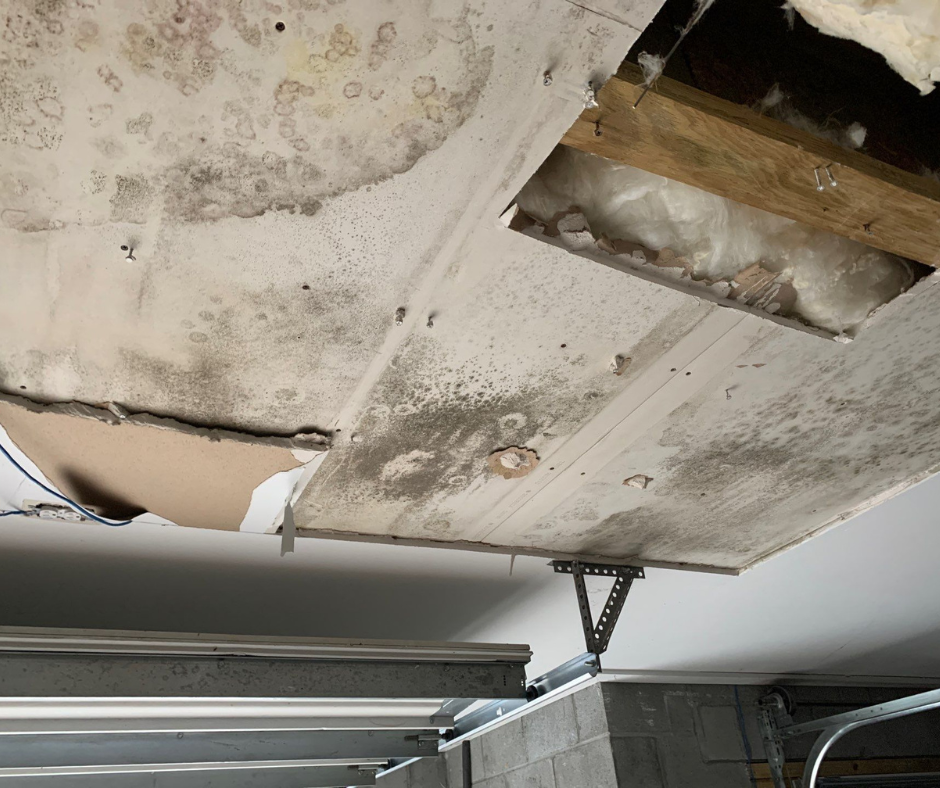
Water damage can happen unexpectedly—from burst pipes and leaking appliances, to severe storms and flooding. While the immediate concern is often structural damage, another serious issue can develop quickly: mold growth. Many property owners are surprised to learn just how fast mold can begin to grow after water exposure. Understanding the timeline of mold growth and the importance of quick action can help protect both your property and your health. How Quickly Can Mold Grow After Water Damage? Mold can begin growing within 24 to 48 hours after water damage occurs. When moisture is present and the environment is warm and humid, mold spores—which naturally exist in the air—can quickly settle and begin to grow on damp surfaces. The mold growth timeline typically looks like this: First 24 Hours Materials such as drywall, wood, carpet, and insulation begin absorbing moisture. Mold spores may settle in damp areas. 24–48 Hours Mold colonies can begin forming. Musty odors may start to develop. Materials begin to swell, warp, or lose integrity. 48–72 Hours Mold growth becomes more visible. Spores begin spreading to nearby surfaces. Air quality begins to noticeably decline. Certain materials may no longer be salvageable. 3–7 Days Mold colonies expand rapidly. Structural materials may begin deteriorating. Strong, persistent odors develop throughout the space. Contamination can spread into HVAC systems. Because of this rapid growth timeline, immediate water extraction and drying are critical to prevent further damage, limit mold development, and improve the chances of salvaging affected materials.
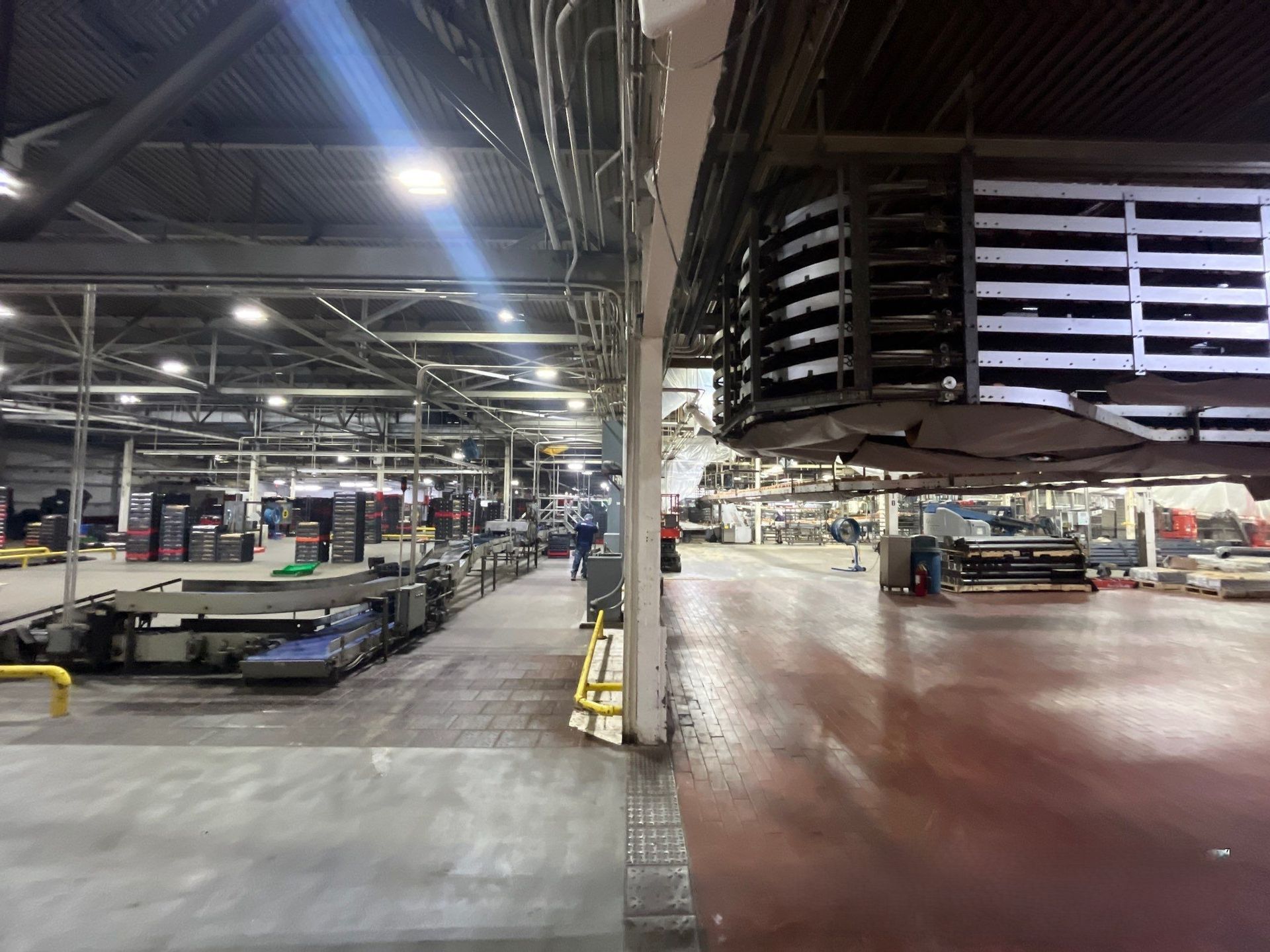
When people hear the word “asbestos,” it can feel intimidating—and for good reason. Asbestos-Containing Materials (ACMs) must be handled carefully, even when they’re considered non-friable. The key is experience, preparation, and strict control throughout the entire process. At EAS Environmental, we provide asbestos abatement services throughout both South Carolina and Georgia. We use the information we are given by the Client to come up with a stellar Scope of Work including engineering controls, removal/abatement protocols, and disposal methods. Our goal is to help you understand how professional abatement is planned, executed, and verified, so that you can make the right decision when deciding who to hire as an abatement contractor. Abstract: EAS Environmental completed a Class II, non-friable Category II asbestos abatement project at a commercial facility in Savannah, GA, involving the controlled removal of asbestos-containing Transite wall panels. In this case study, we will outline the process of how our team prepared the regulated area, used engineering controls like containment barriers and HEPA filtration, the methods we used in order to remove panels while intact, packaged waste correctly for disposal, and followed documentation and inspection procedures to ensure a safe, compliant close-out. This article emphasizes the importance of the amount of care that these types of abatement projects require.
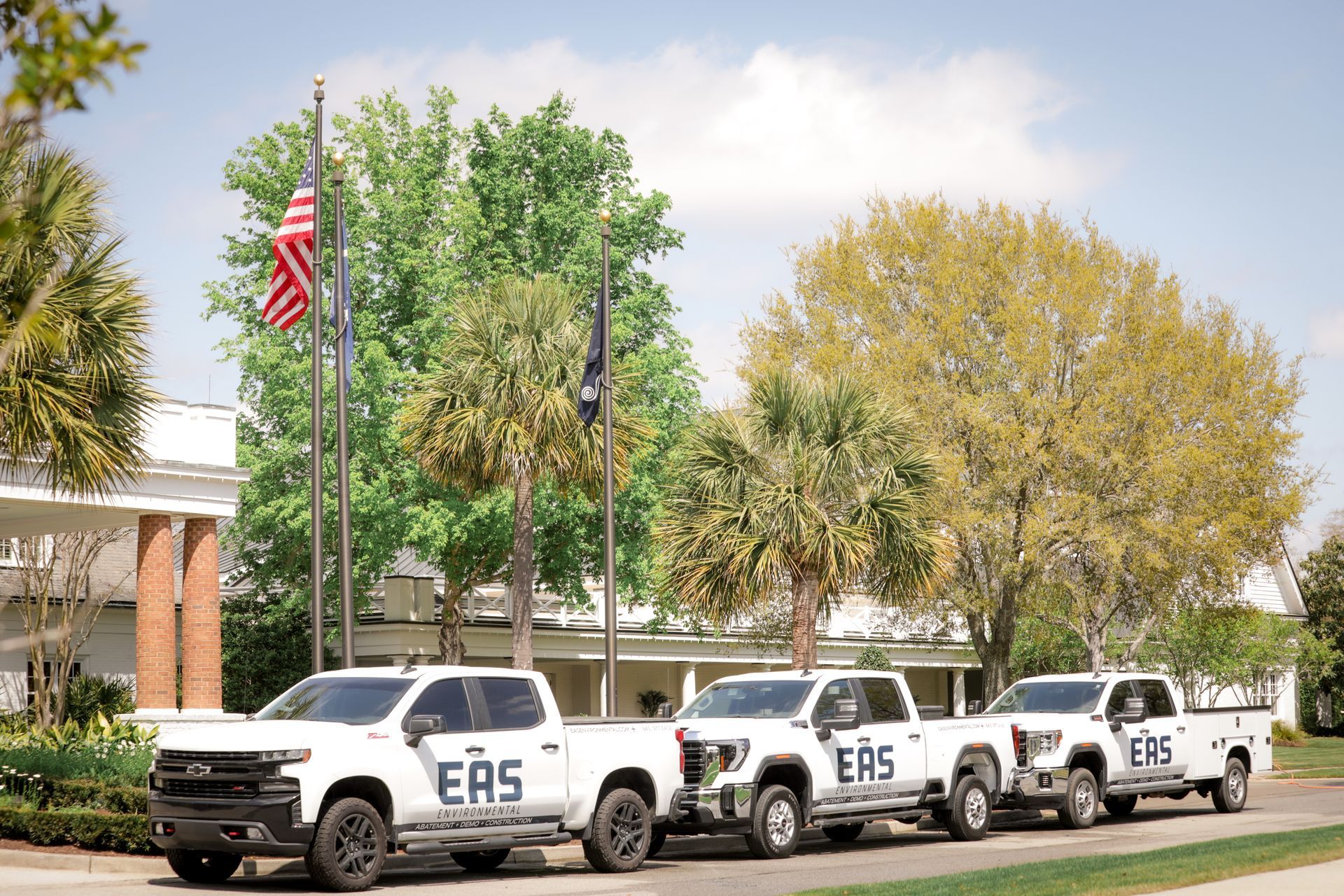
In today’s world, we believe that true success comes from more than just business growth — it’s about giving back and making a real difference where we live and work. At EAS Environmental LLC, we’re proud to be a full-service disaster restoration and environmental remediation company based in the Charleston, South Carolina region. While our work focuses on restoration, abatement, and remediation, our mission goes far beyond that. Every project we take on is driven by a deeper purpose: to help build safer, healthier environments for our neighbors, especially those most vulnerable to environmental risks. Below we’ll explore how EAS Environmental is making a difference — and then identify five key pillars of corporate responsibility in action.
Got a Question? We’re Here to Help.
You can arrange an appointment or make an enquiry by phone or email, orget in touch to us via our contact form.